In 2015, Toulon didn't brew a drop of its own beer. Two friends from the concert business decided somebody should.
How Toulon's brewery started
The first time Bière de la Rade poured for the public, it needed special permission to do it. It was late 2015, just before the holidays. Charles Doerr and Simon Chevillot had set up on the spot where their bar on Rue Amiral Nomy stands today, but the bar wouldn't open for months and they had no license to sell drinks as one. So they asked for a one-time authorization and opened the doors for a single evening. About 1,500 people showed up. After that, neither of them needed convincing.
"I think Toulon needs something produced in Toulon."
Who founded Bière de la Rade?
Both came to beer from the music world. Charles was a régisseur général, the production manager who keeps a show running, and Simon was a sound engineer. They toured with bands and organized many of the festivals around Toulon. Brewing was a side project: a batch for a friend's birthday, another for a wedding. For Charles it also ran in the family. His relatives came from near Darmstadt, in Germany, and were brewing beer there in the 18th century. What tipped the hobby into a business was a gap they kept noticing. Toulon had no brewery. "I think Toulon needs something produced in Toulon," Charles told us. They registered the company in November 2015 and opened on April 1, 2016.
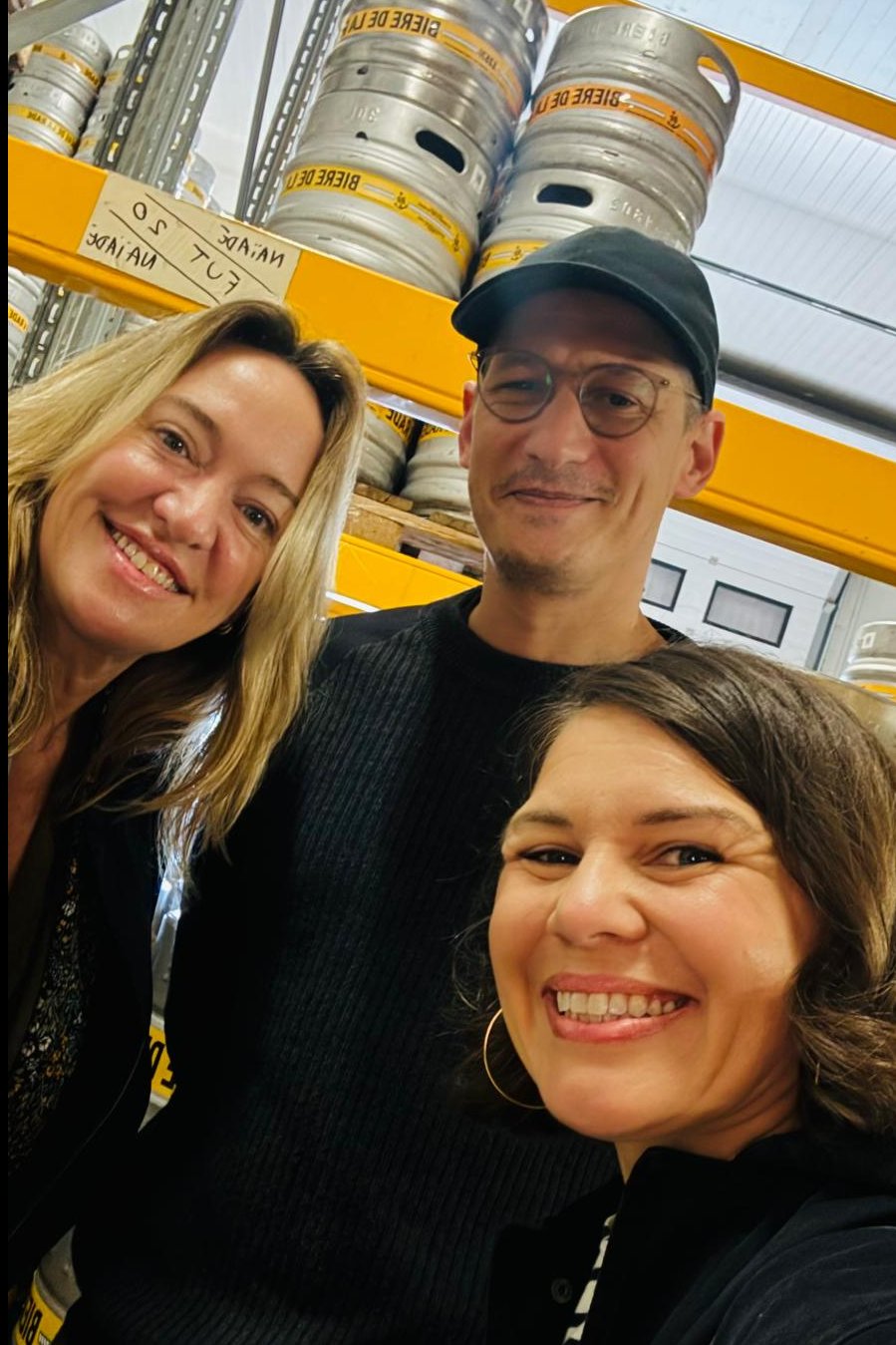
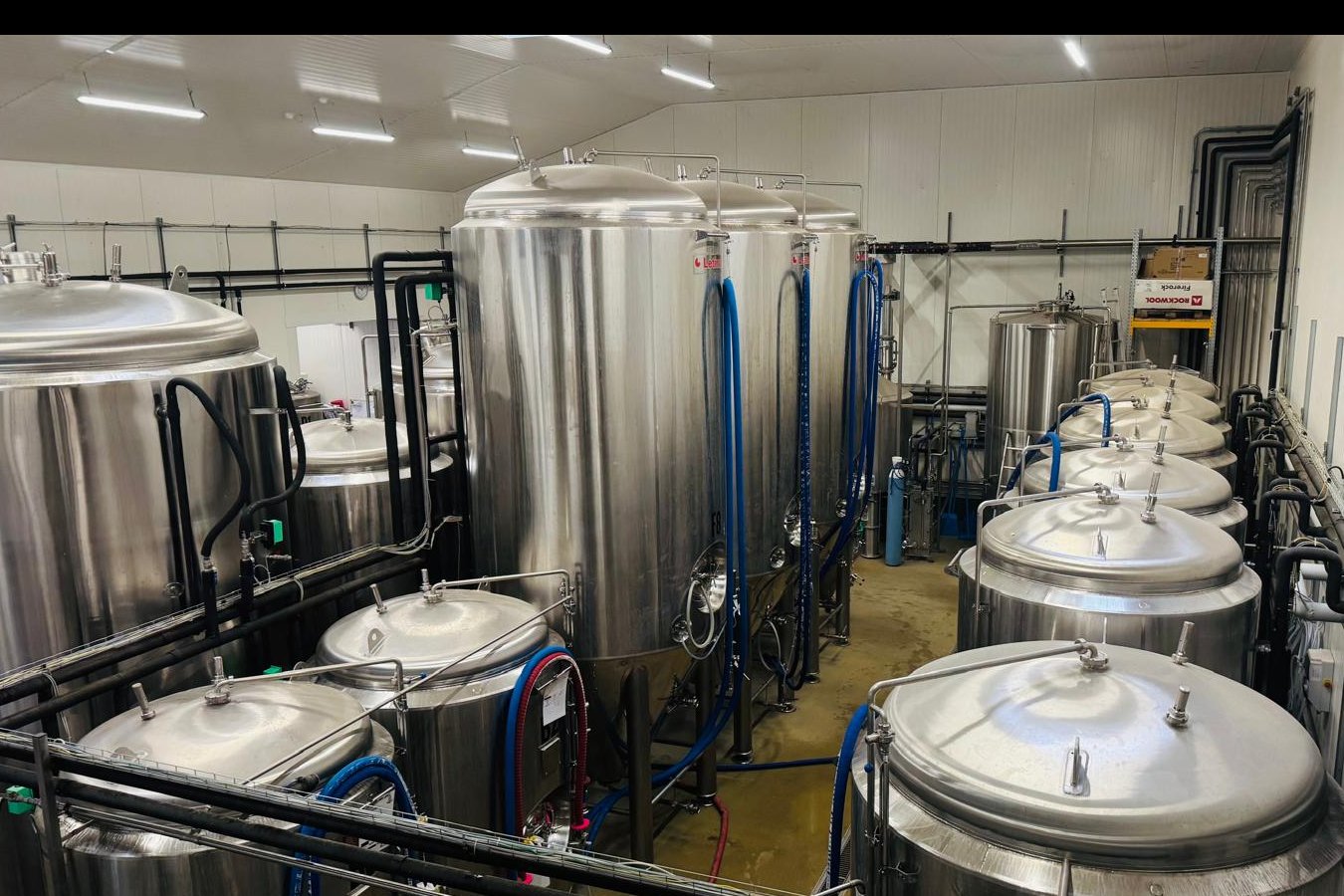
Ten years on, the two founders lead a team of 14. In 2022 they invested €2.6 million in a production site at Camp Laurent in La Seyne-sur-Mer, just across the harbor, which quadrupled their capacity. The brewery expects to produce about 6,000 hectoliters in 2026, or 600,000 liters, roughly 1.8 million standard bottles. Today a growing share leaves in kegs for bars, restaurants and events, and for several years it has been the beer served at the Zénith de Toulon. The production site is closed to the public, so being invited inside felt like a real privilege.
How the beer is made
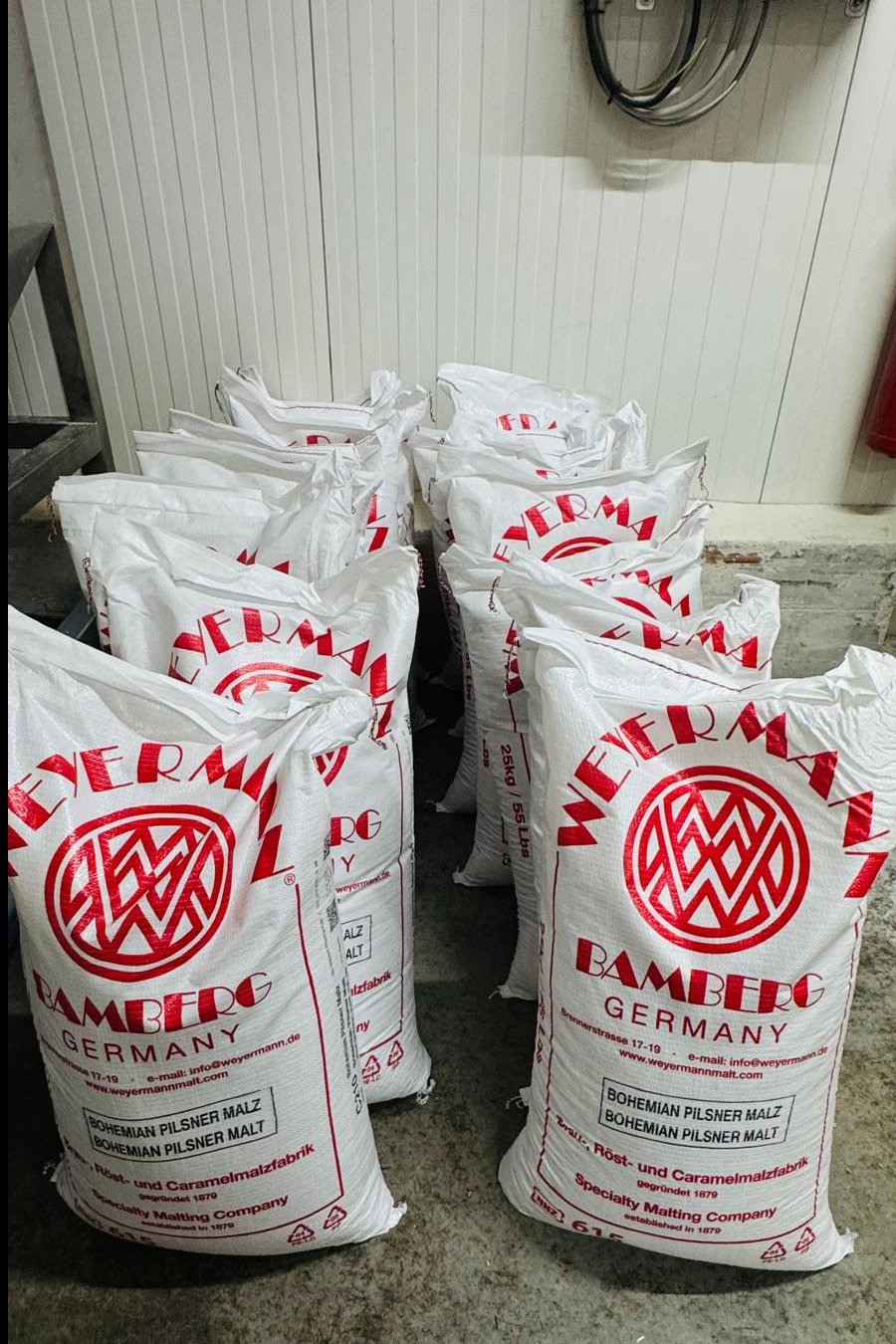
The process starts with barley. The brewery buys it already malted, mostly from French grain: soaked until the rootlets reach about a centimeter, then dried in big ovens. In the first tank the malt steeps at around 144°F (62 to 63°C), where the barley's own enzymes turn its starch into sugar. After an hour and a quarter you have wort, a sweet liquid with no alcohol in it yet. The grain comes out and the wort goes to a second tank, where it boils for an hour with the hops. One brewer compared hops to the bay leaf in a pot-au-feu: a small amount that gives the bitterness and the aroma. For an IPA they choose more aromatic varieties, the ones that bring fruit notes.
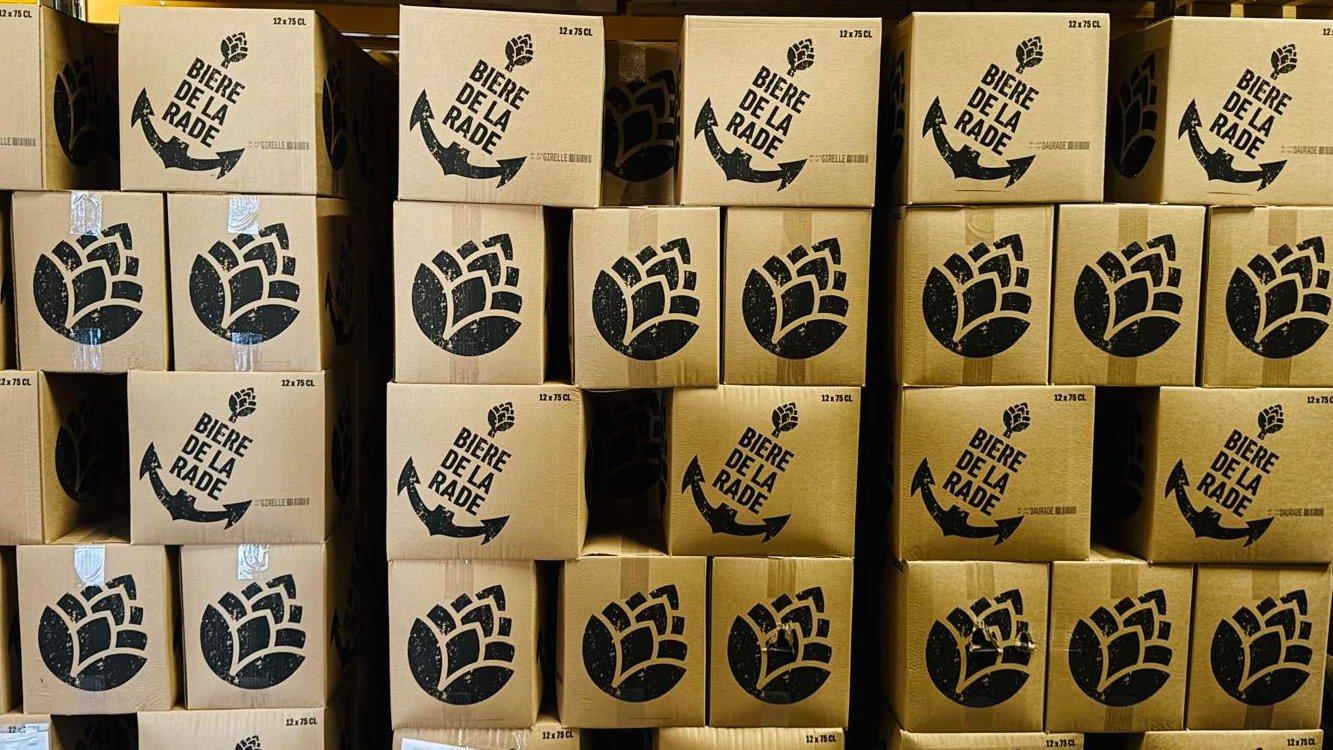
The wort is then cooled as fast as possible, from boiling down to about 68°F (20°C), and sent to a fermenter where the yeast goes in. It's Saccharomyces cerevisiae, the same yeast strains bakers use. Over about two weeks the yeast turns the sugar into alcohol and carbon dioxide. At the end there's alcohol but no fizz yet, so the beer is carbonated before it's filled into kegs and bottles, capped, boxed and sent to the warehouse. The labels come from several graphic designers who work with the brewery.
Which Bière de la Rade beers to try
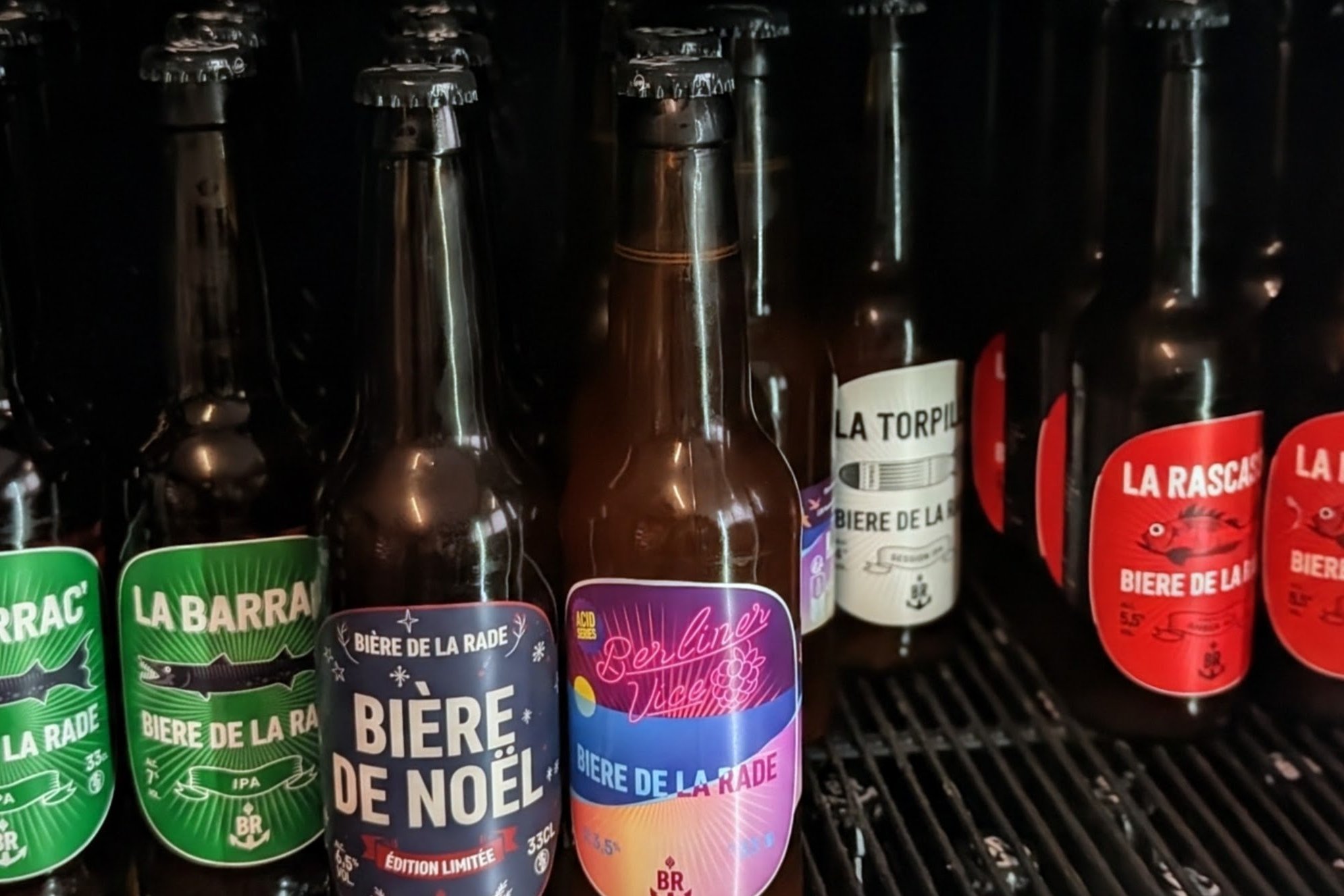
The permanent range is named after Mediterranean fish: La Rascasse, the scorpionfish, an American amber ale; La Murène, the moray eel, a stout; La Daurade, the sea bream, a blanche; and La Girelle, the best seller. There is a grammar rule behind the names. Une bière is feminine, so the fish has to be too, which rules out le pagre and le mérou. Alongside the range there are seasonal brews and collaborations with other breweries, made, as Charles put it, "to enjoy and have fun." One, listed on the menu as Margarita, is a gose, a slightly salty sour beer, with the wort soured by lactobacillus before the boil and a dose of tequila added. If you're wondering about gluten-free, they don't make one. Taking the gluten out means adding something after fermentation, and they'd rather not.
"The beer, the bread, this is in the same family," Charles said, and he meant it literally. His wife, Leslie, manages Le Pain de la Rade, the organic sourdough bakery the family launched in 2019. It started with three employees and now has seven, a shop near the Stade Mayol and a stand five days a week at the Cours Lafayette market. This month they started baking panettone for Christmas. We hope to bring more about that to you soon.
Where to drink it in Toulon: hours and address
The bar at 300 Rue Amiral Nomy is where you can drink the beer at the source. As of November 2026 it opens Tuesday to Thursday from 5pm to 11:30pm, and Friday and Saturday from 5pm to 1am, with concerts and DJ nights every week and a kitchen. One Saturday a month the brewery runs a tasting workshop. There is also a full-day brewing workshop, and you come back about a month later to collect your bottles.
Eleven years after 1,500 people turned up for one authorized evening, Toulon has its own beer. And its own bread.