
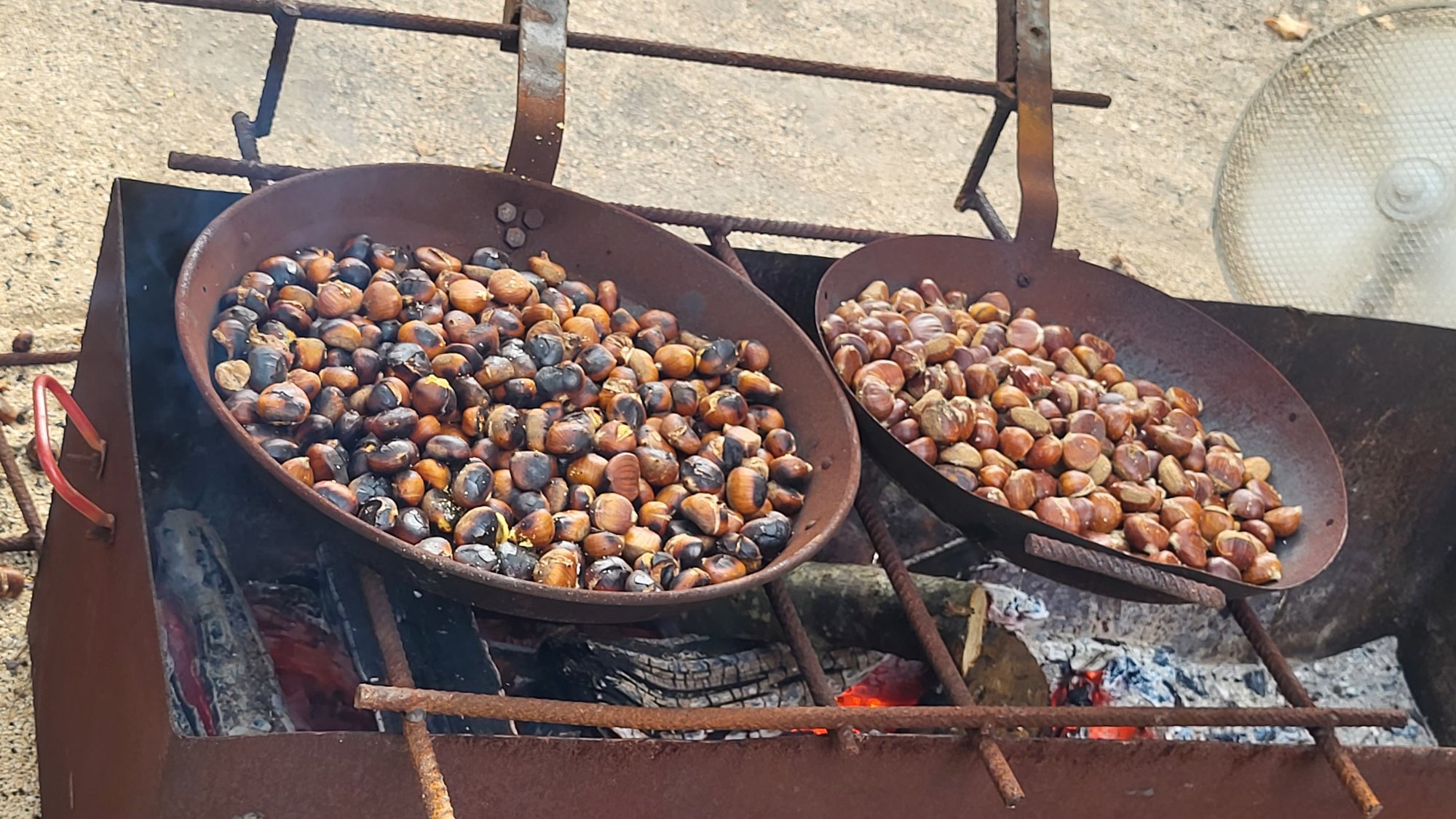
Ask what the Var is known for and nobody says chestnuts. In October, one village in the Maures makes the case on three Sundays.
Ask what the Var is known for and you'll hear rosé, beaches, maybe Saint-Tropez. Almost nobody says chestnuts. Yet every October the forested hills of the Massif des Maures fill with roasting pans, and the village at the center of it is Collobrières, reached by winding roads from Pierrefeu-du-Var, La Londe-les-Maures or Bormes-les-Mimosas.
The roasting pans come out on three October Sundays, and the whole village closes to cars to make room for them.
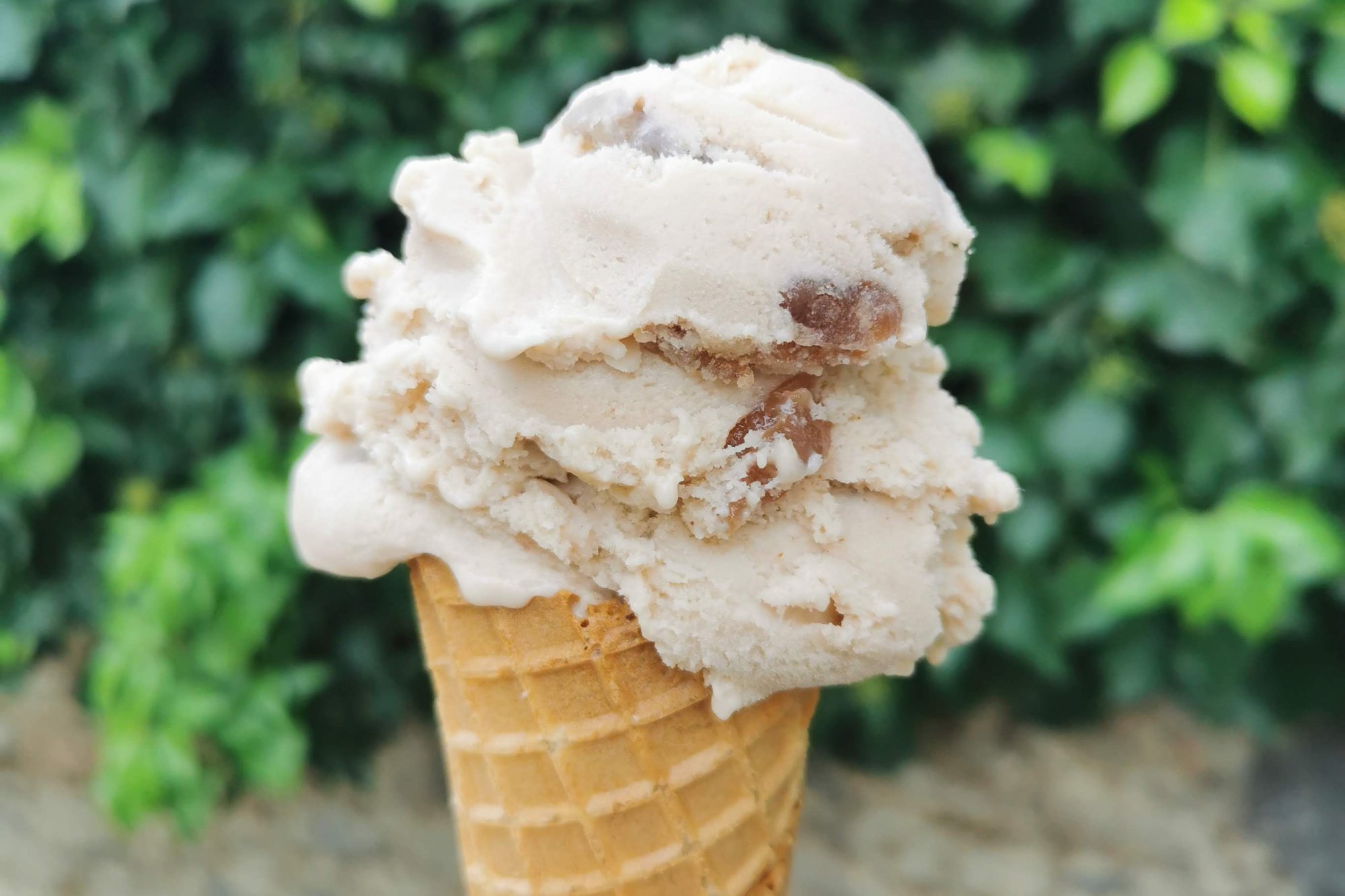
The trees explain everything. The Var's chestnut groves cover about 2,000 hectares, almost all of them in the Maures, where they share the slopes with cork oaks. Collobrières calls itself the chestnut capital of the Côte d'Azur, and it has the shop to back it up. The Confiserie Azuréenne on Boulevard Kœnig has been making marrons glacés, chestnuts candied whole in syrup, for more than half a century, along with chestnut flour and crème de marrons, the sweet chestnut spread. Stephanie stocks up on jars of it every time she's there, to give to friends, and they're always a hit. Whatever else you buy, don't leave town without the confiserie's famous glazed chestnut ice cream. Across the street, a small museum shows the old tools and machines of the trade. It's free and open all year.
The Fêtes de la Châtaigne et du terroir run on three Sundays in October, from 9 a.m. to 6 p.m., and 2026 is the 43rd edition. Each Sunday has its own theme. October 11 was the producers' day. On October 18, the international day, delegations from Collobrières' twin towns, local brotherhoods, folk groups and Italian flag throwers parade through the village. October 25 brings the farm to town, with animals to meet and feed, butter-making and salad-planting workshops, and demonstrations of old farm trades. Every Sunday there are roasted chestnuts, local producers and crafts, and entry is free.
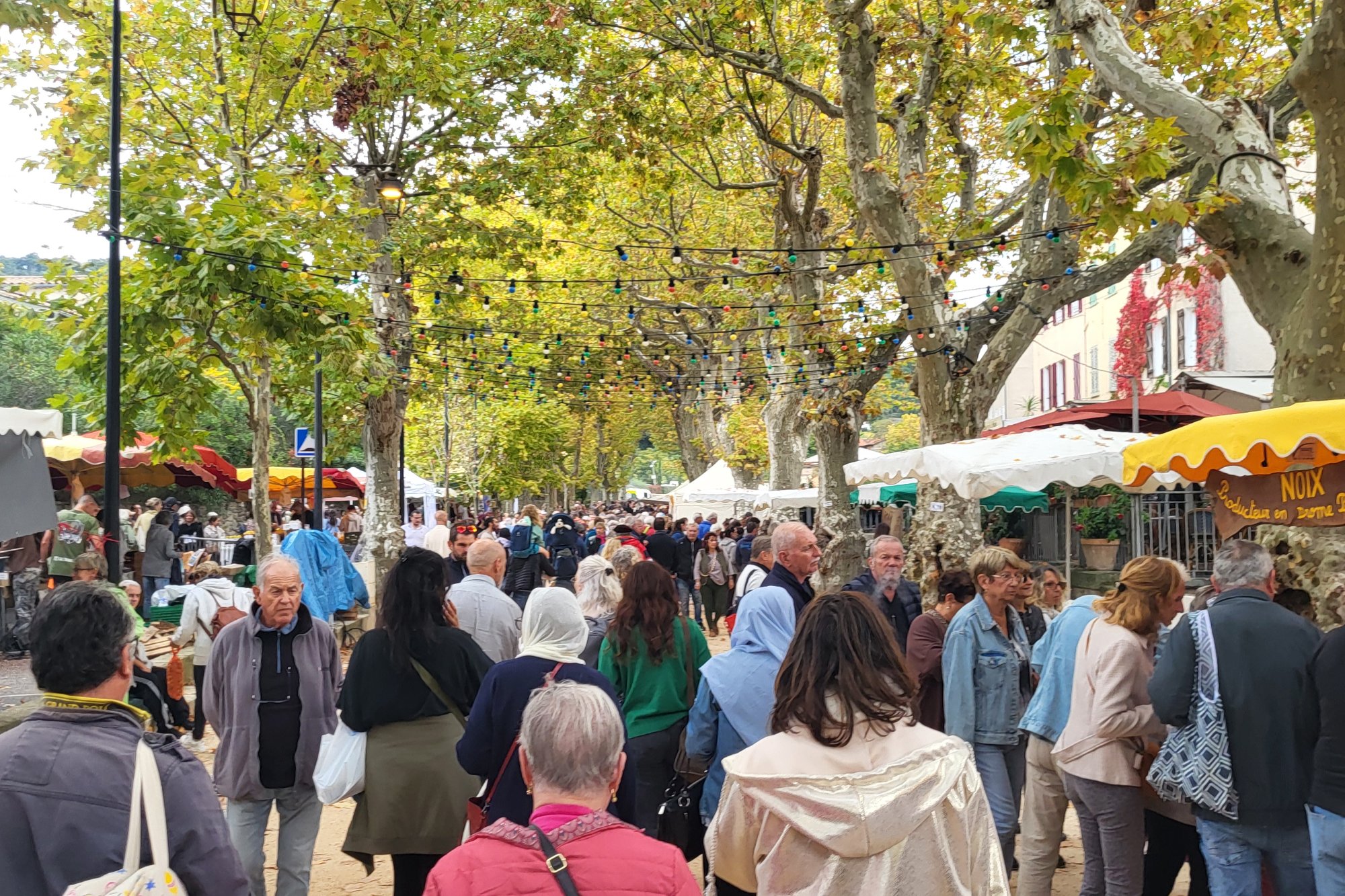
A little planning goes a long way. The village is closed to cars and bikes on festival days. Parking at the village entrances costs 2 euros per car, and if you're coming from Pierrefeu, La Londe or Bormes, free shuttles run from the west parking lot. Bring cash, because there is only one ATM in the village, and fill up beforehand: the gas station is closed from 7:30 a.m. to 8 p.m. on event days. Expect bag checks at the entrances. The organizers suggest arriving before 9 and leaving before 3, and leaving the dog at home.
Lunch needs a plan too, because some restaurants don't take reservations on festival Sundays. Stephanie has had lunch at La Terrasse Provençale every year she's gone. It does take bookings, with a limited set menu on festival days, and if the weather is kind, its patio is a lovely spot to sit out the busiest hours.
If you'd rather see the trees than the crowds, guided walks through a 10-hectare chestnut grove leave from the Collobrières tourist office at 10 a.m. on October 14, 23 and 28. The village also runs free guided visits of its heritage throughout October.
Collobrières isn't the only village celebrating. Les Mayons, a small forest village on the other side of the Maures, held its festival on October 11 and repeats it on October 18. La Garde-Freinet sets up its chestnut market on Place de la Mairie on October 18 and 25 and November 8, and on October 25 a local grower leads a visit through his grove. Camps-la-Source, in the Provence Verte, pairs its chestnuts with wine at its 23rd festival on October 18, which opens with a harvest mass in the morning. Gonfaron, on the northern edge of the Maures, joins in on October 18, and Pignans holds its festival on October 25.
By November the stalls are packed away and the roasting pans go back in storage, but Collobrières doesn't close with them. The Confiserie and the shops along Boulevard Kœnig stay open all year, and around Christmas the village holds a lovely Christmas market, reason enough to come back once the chestnuts have been candied and boxed.