
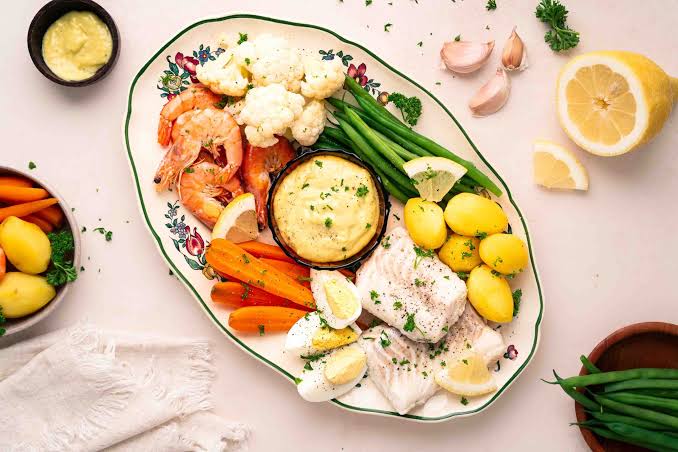
Provence has a mayonnaise so central to local life it gets its own feast, its own name for the whole meal built around it, and strong opinions on how it's properly made.
Aïoli takes its name from the old Occitan for garlic (alh) and oil (òli), which is really all it is: garlic and olive oil, emulsified slowly into something much bigger than the sum of its parts. The tradition likely goes back to fishermen returning to port with salt cod, and it isn't unique to Provence either, the Catalan coast has its own version, allioli, and some food historians argue it's the older of the two, a debate that will probably never fully settle. Either way, garlic and olive oil have been staples on both sides of this stretch of Mediterranean for thousands of years, so the sauce feels less invented than simply inevitable, the kind of thing that was bound to exist wherever those two ingredients grew side by side.
Once you've made it slowly, by hand, the jarred version stops being an option.
The classic version, le grand aïoli, sometimes called aïoli monstre, turns the sauce into a full shared meal: boiled vegetables, salt cod, boiled eggs, sometimes snails, everything laid out around a big bowl of aïoli for dipping. It's less a recipe than an occasion, the kind of spread that still shows up for village fêtes and long Sunday family lunches, with everyone working around the same bowl rather than plating things individually, which changes the whole rhythm of the meal, slower, more communal, less about courses than about grazing together for a couple of hours. You'll still see it on Friday menus around the Var too, a nod to the old custom of a meatless end to the week, a tradition with roots in religious practice that's outlasted the religious observance itself for a lot of families.
Two real events put this on full display if a recipe alone doesn't do it justice. The Fête de l'Aïoli in Six-Fours-les-Plages, held in late August around the Place des Poilus, turns the town center into one long communal table for the evening. Over in Ollioules, the Fête de l'Olivier folds an aïoli contest in alongside its olive oil tastings and mill visits every autumn, worth timing a visit around if the olive harvest and the contest line up.
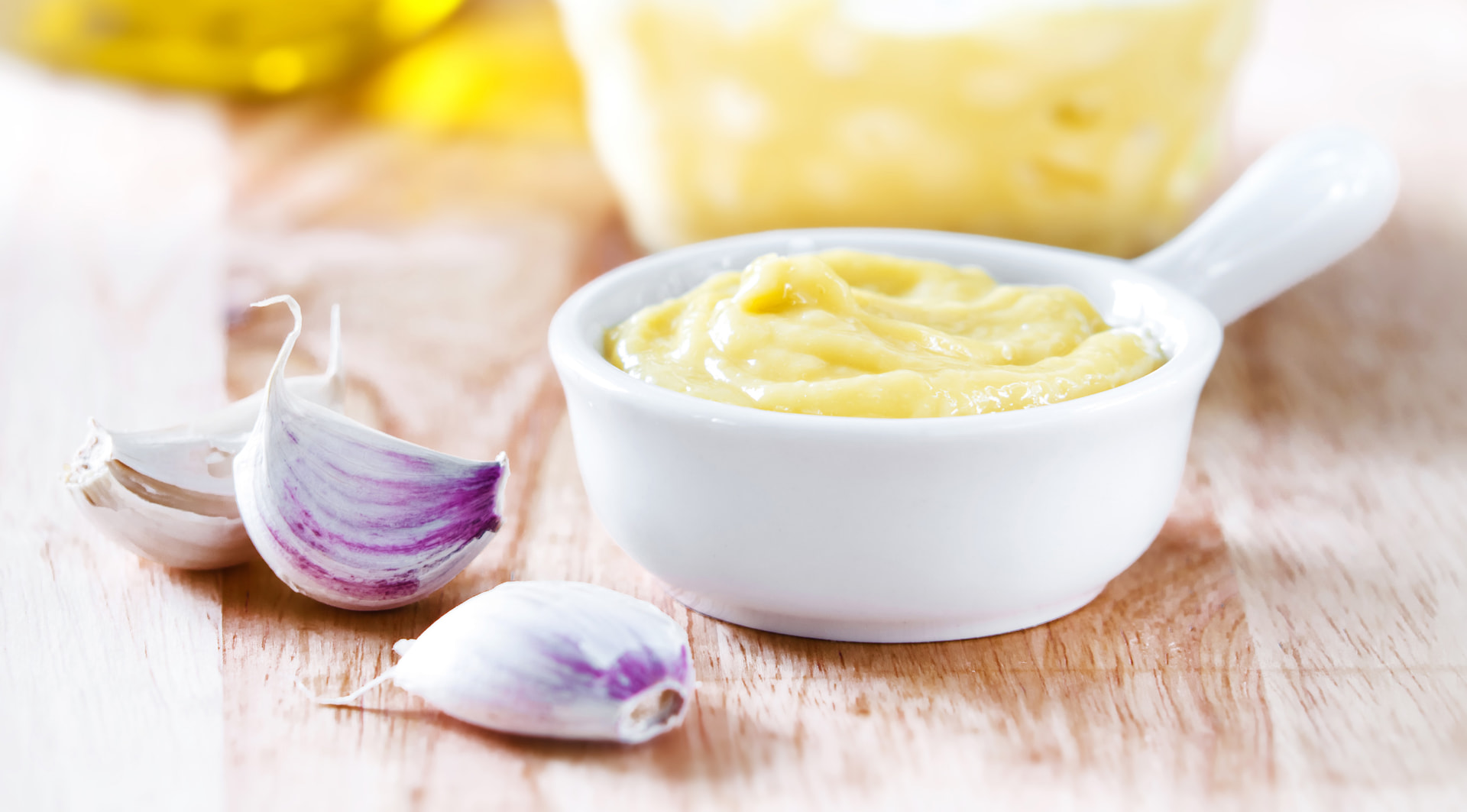
Amy makes hers with a mortar and pestle rather than a blender, and she's specific about the order. Garlic first, crushed all the way to a smooth paste with a pinch of salt before anything else goes in, because a stray chunk of garlic will keep the emulsion from holding properly later. She also insists on room-temperature eggs and oil, since cold ingredients are far more likely to split. Her rule: if it's going to break, it breaks because you rushed the oil, added it too fast, too cold, or stopped whisking for even a moment at the wrong point.
The working version: crush three to four garlic cloves to a smooth paste with a pinch of salt. Whisk in one egg yolk until fully smooth. Add olive oil in a very thin, steady stream, whisking constantly, until it thickens into a proper mayonnaise, about a cup of oil, give or take, depending on how thick you want the final texture. Finish with a squeeze of lemon and adjust the salt. If it splits, don't throw it out: start a fresh yolk in a clean bowl and slowly whisk the broken mixture back in, a little at a time, until it comes back together, the same trick that rescues a broken hollandaise. Serve at room temperature, never straight from the fridge, since the cold dulls the garlic and flattens the texture, with whatever you'd boil for a summer lunch, potatoes, carrots, green beans, a piece of salt cod if you can find it. It's just as good spooned onto grilled fish or stirred into a bowl of bourride, the Provençal fish soup built to take it, or simply spread thickly on bread alongside a salad.
It keeps for a few days in the fridge, tightly covered, though the garlic only gets more assertive as it sits, which some people consider a feature rather than a flaw.